This website is currently under construction. Please check back soon for updates.

Research

The ecology of sociality: opportunity, payoff, and information.

I study how ecological context shapes sociality by changing the opportunity to interact, the payoff from acting with others, and the information animals use when making decisions under uncertainty, competing benefits, and risk. African lions are my primary comparative system, complemented by controlled behavioral experiments.

Research framework

Three routes through which ecology shapes sociality.

Ecological conditions can alter social behavior in different ways. They can determine whether individuals have the opportunity to interact, change where the costs and benefits of sociality are realized, and alter the information animals use to decide whether to associate, coordinate, communicate, or avoid risk.

Opportunity · social access

When can individuals interact?

Animals cannot associate, coordinate, or exchange information with partners they rarely encounter. I ask how resource distribution, range size, habitat structure, density, and spatial separation change opportunities for interaction, and whether differences in association reflect changes in social relationships themselves or simply differences in the opportunity to meet.

Current work: whole-group and neighboring-pride tracking across contrasting lion populations allows me to examine separation, reunion, association, social position, and intergroup spacing while accounting for the opportunities individuals actually have to interact.

Association Fission–fusion dynamics Social opportunity Spatial ecology

Payoff · costs & benefits

Where do the benefits of sociality emerge?

Opportunity to interact does not necessarily make collective action advantageous. I ask how ecological conditions change both which benefits of sociality matter and where those benefits are realized, including whether the individuals that bear the costs of collective action are the same individuals that ultimately benefit.

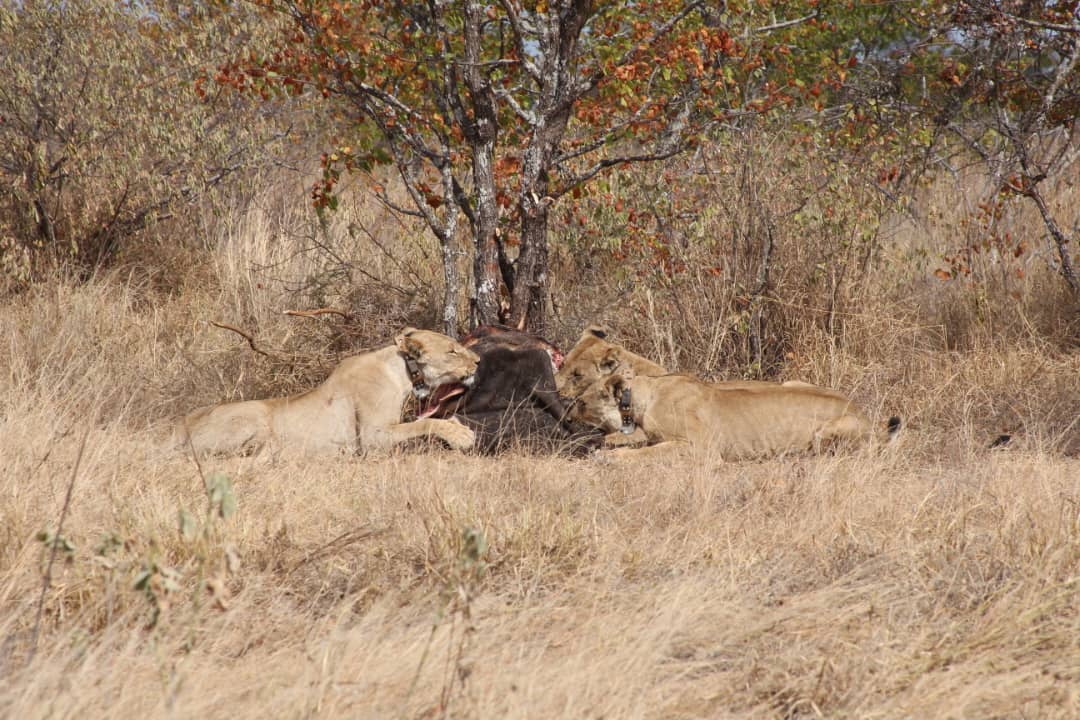
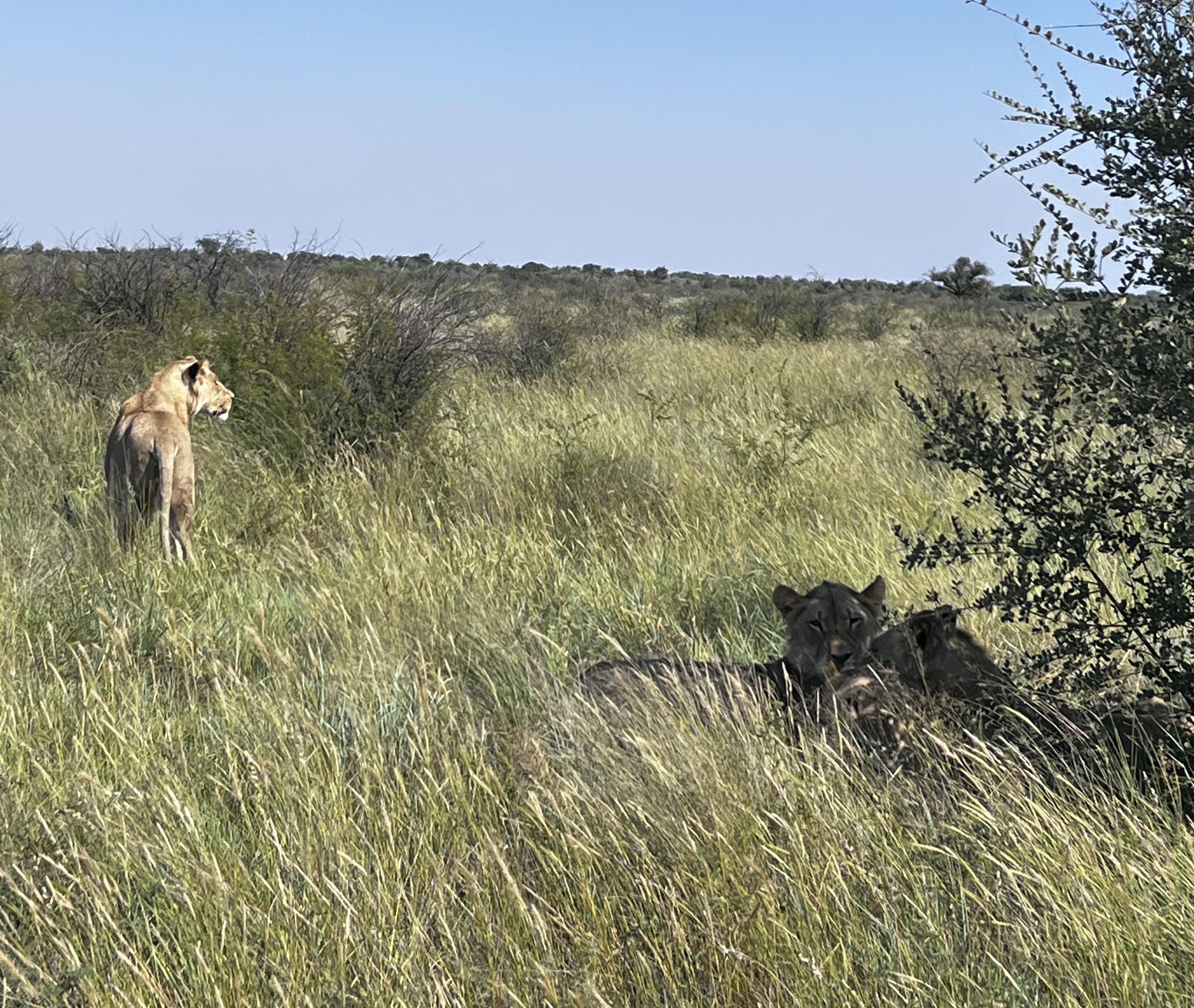
One current test: in the Kalahari, lions often capture prey alone, including large prey, while pride members that did not participate frequently gain access afterward. I am testing when ecology favors coordinated acquisition and when it favors individual action followed by socially distributed benefits.

Cooperation Participation vs benefit Resource acquisition Social strategies

Information · uncertainty & risk

How do animals make social decisions under uncertainty and risk?

Animals can respond to ecological context only through information. Building from my work on cognition, learning, memory, and social tolerance, I ask what animals can perceive about groupmates, competitors, resources, and risk, and how that information changes decisions to associate, coordinate, signal, or avoid.

One current comparative test: I co-lead work asking whether territorial roaring declines when the benefits of advertisement are reduced or revealing location becomes costly, while whole-group acoustic and movement data test whether calls in dispersed groups instead help lions locate, recruit, or reunite with social partners.

Communication Sensory ecology Cognition Risk
Collaborative comparative programme

Testing these questions across ecological extremes.

Much of my current field research is embedded within a comparative African lion programme that was jointly developed and in which I am a co-PI. Across established field systems in Botswana, Namibia, and Zimbabwe, lion populations experience major differences in resource availability, density, landscape structure, social opportunity, and human overlap. This comparative platform allows us to ask which features of lion sociality persist across environments and which change with ecological context.

Botswana · Namibia · Zimbabwe

Where I work

Field and ex-situ systems across southern Africa and the United States.

My research depends on long-term relationships with field teams, scientific partners, and zoological institutions. Together, these systems give me access to lion populations living under very different ecological conditions and to controlled settings where behavioral mechanisms can be tested directly.

Lion research landscape in Botswana

Botswana

Kalahari field ecology & long-term tracking collaboration

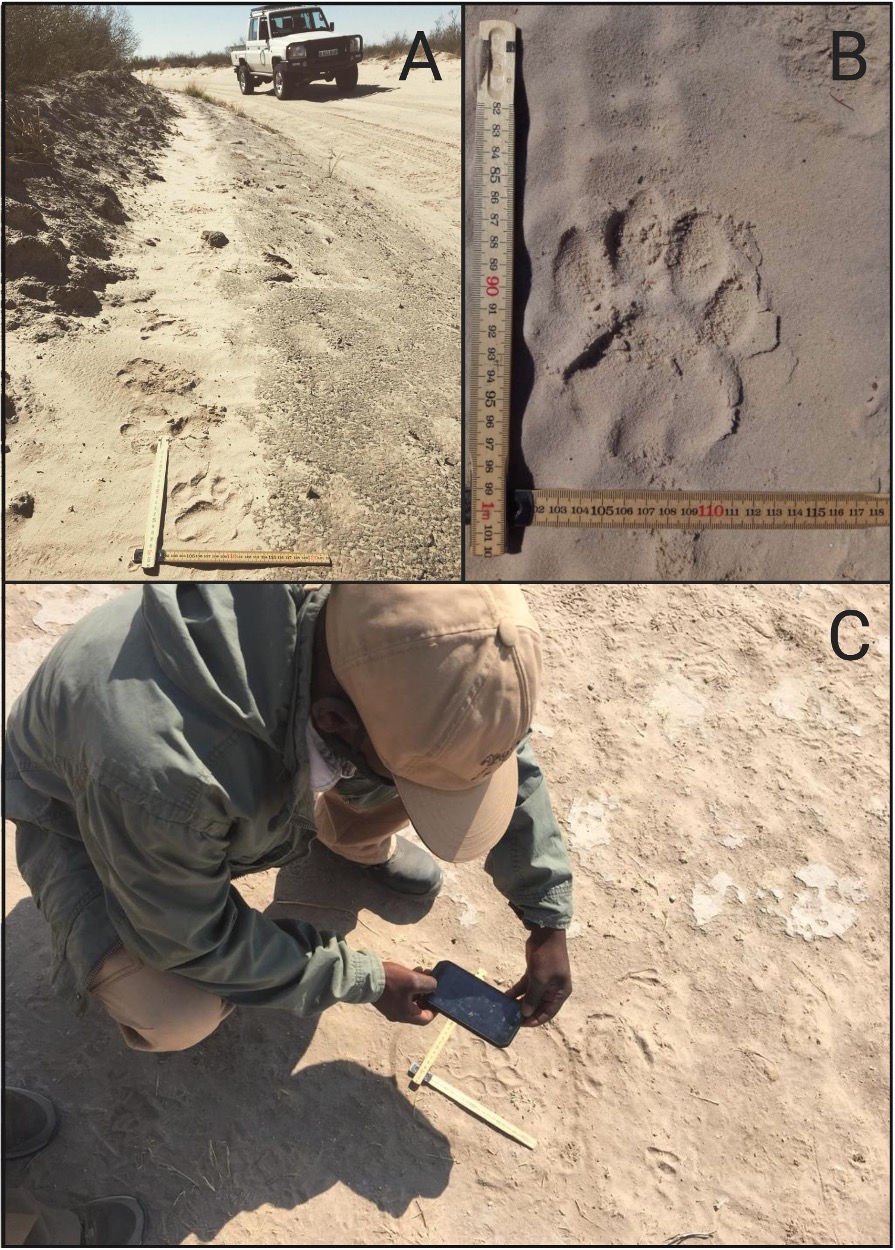
I work with Leopard Ecology & Conservation and San tracking collaborators in a low-density, semi-arid lion system. Long-term field knowledge, spoor reconstruction, direct observation, and biologging make behavior measurable even when lions are difficult to observe directly.

Lion research landscape in Namibia

Namibia

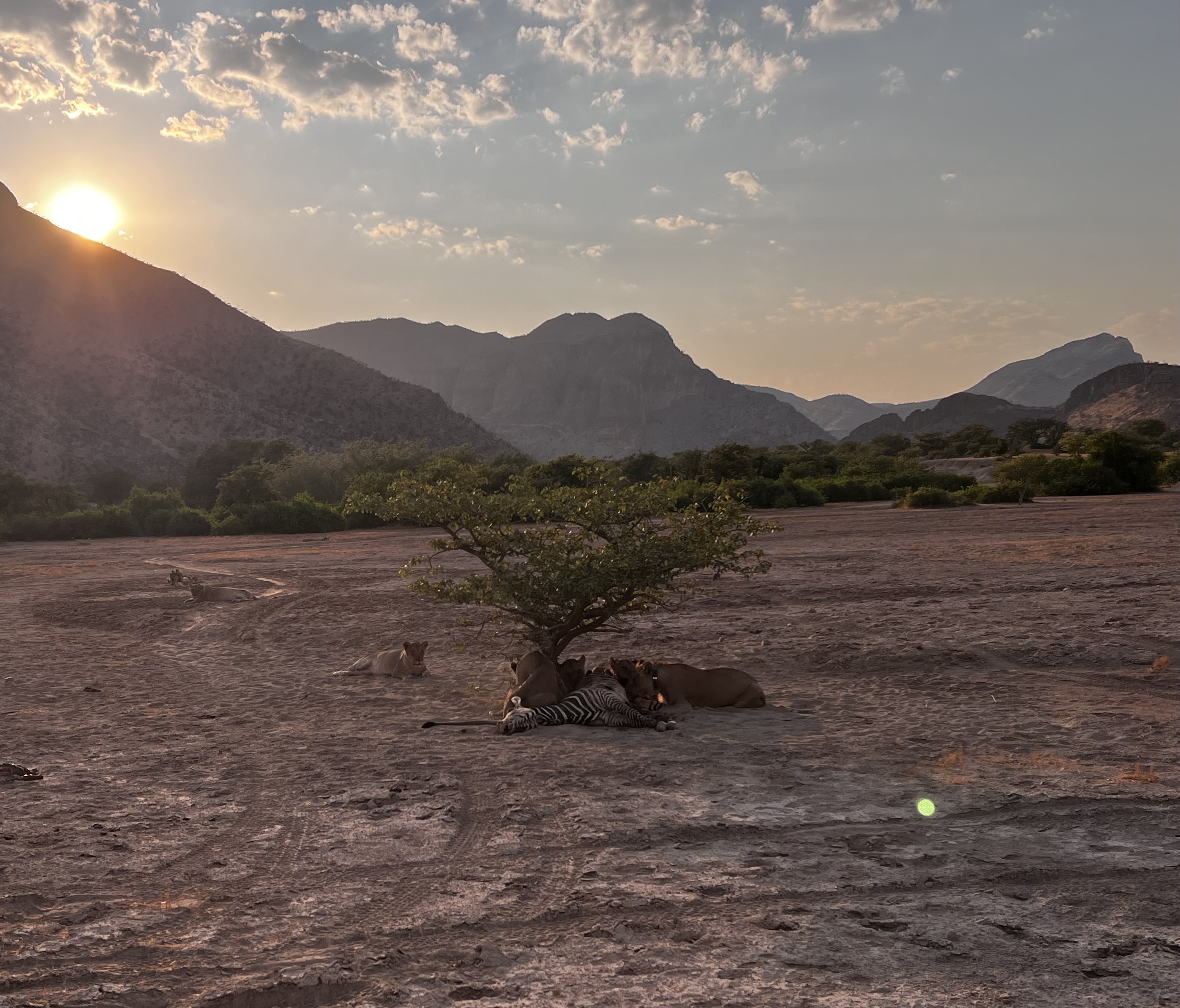
Desert-adapted lions in a shared human-wildlife landscape

Through the Ombonde Research Team, I work in a mountainous, resource-limited landscape where lions occur at low density and share space extensively with people and livestock. This system provides a powerful context for studying behavioral flexibility, risk, movement, and communication.

Lion research landscape in Zimbabwe

Zimbabwe

A high-density, resource-rich ecological contrast

I work with a long-term conservancy partner in a productive lion population where social opportunities and competitive pressures differ markedly from the semi-arid systems. This contrast helps distinguish ecological responses from features of lion social behavior that remain stable across environments.

Ex-situ lion research in South Africa

South Africa & United States

Controlled behavioral research with known individuals

I conduct non-invasive cognition and behavior research through collaborations with sanctuaries and rehabilitation facilities in South Africa and AZA-accredited zoological institutions throughout the United States. These settings allow repeated experimental tests of cognition, learning, social tolerance, cooperative problem solving, and behavioral flexibility.

Research approach

From experiments to whole-group biologging.

I use the method needed to resolve the biological uncertainty: controlled experiments when competing mechanisms must be separated, direct observation and tracking when behavior must be reconstructed on the ground, and biologging and acoustics when interactions unfold beyond human observation.

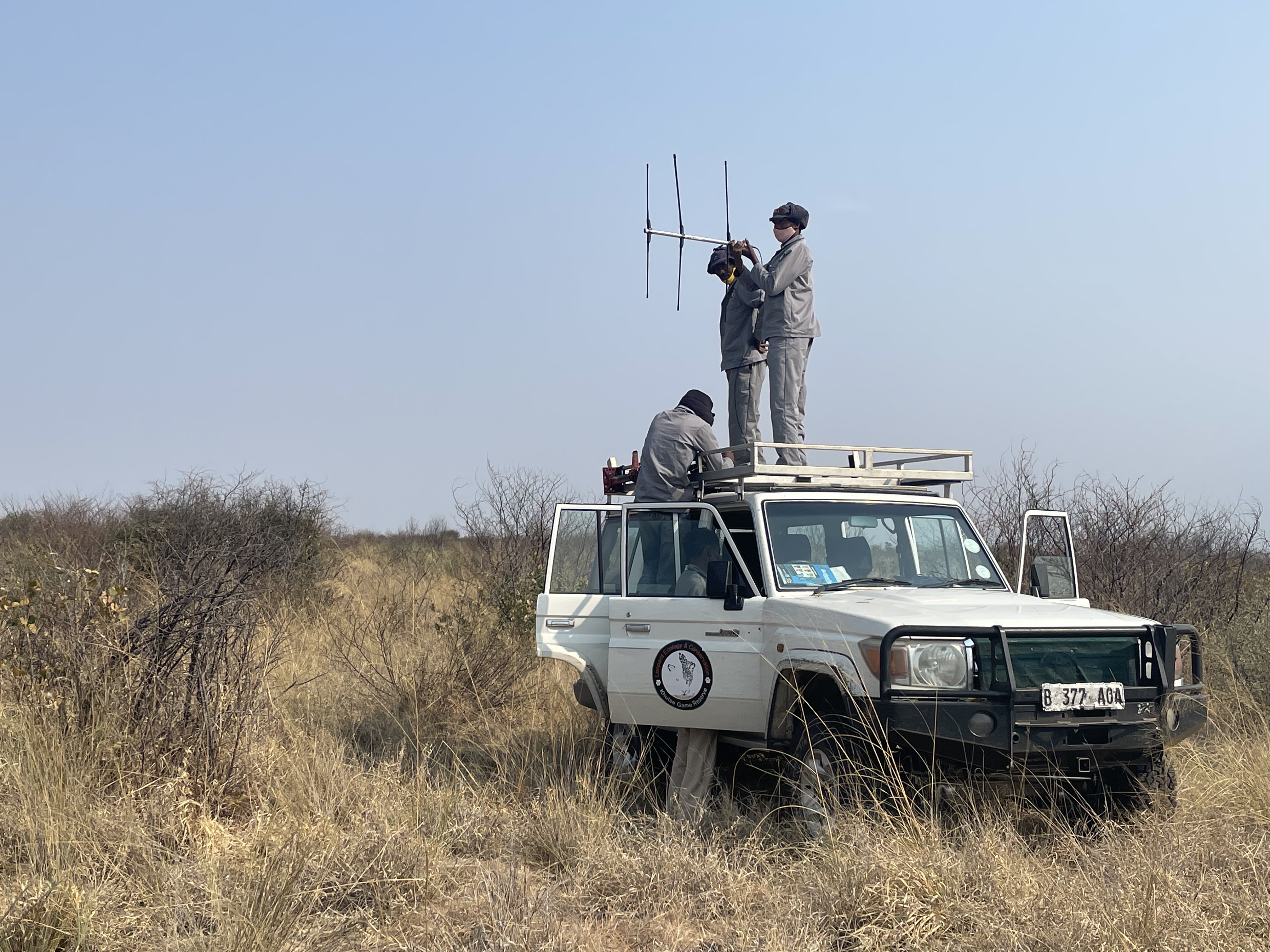
Field collaboration with San trackers in Botswana
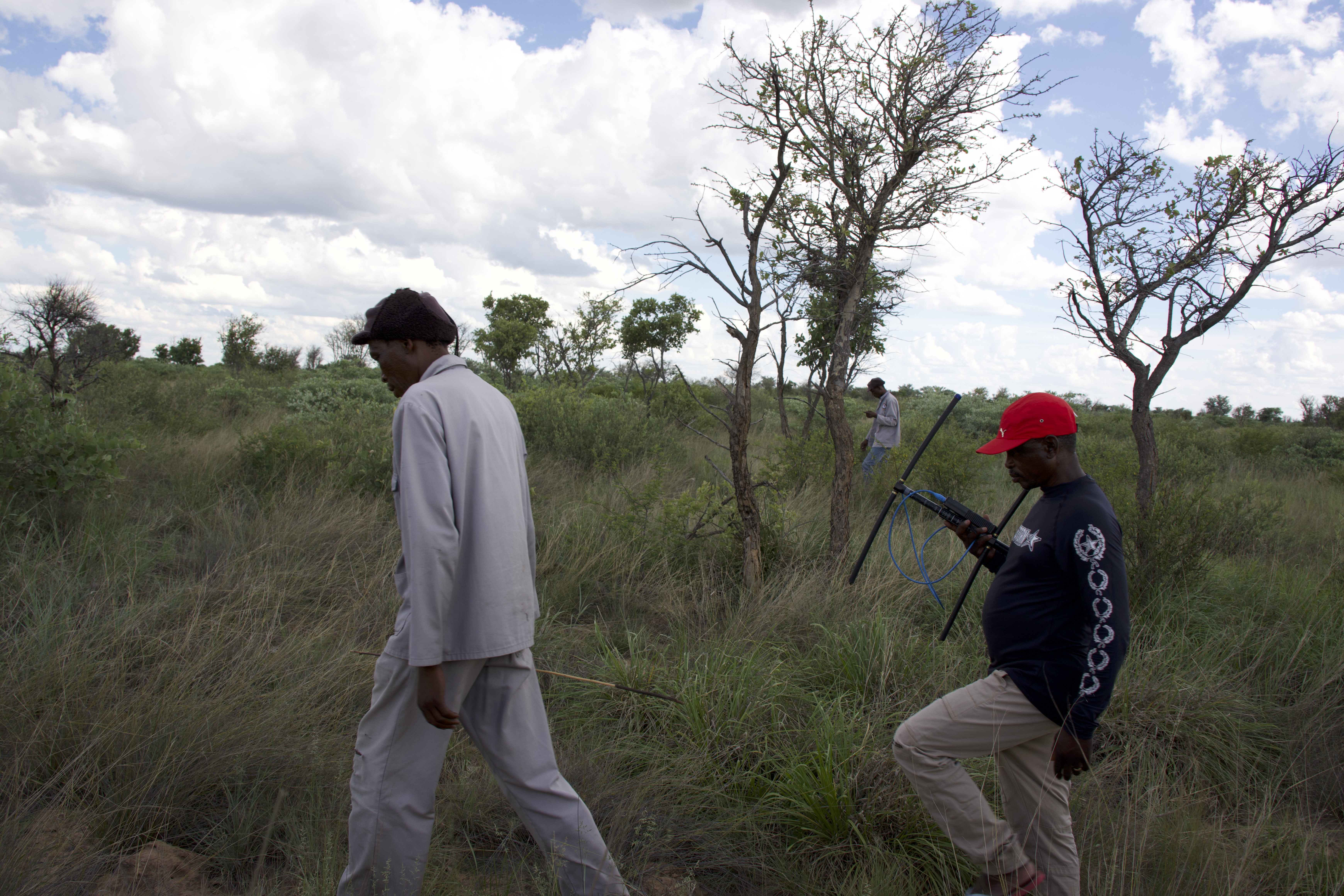
Reconstructing lion behavior from spoor
VHF telemetry and individual monitoring
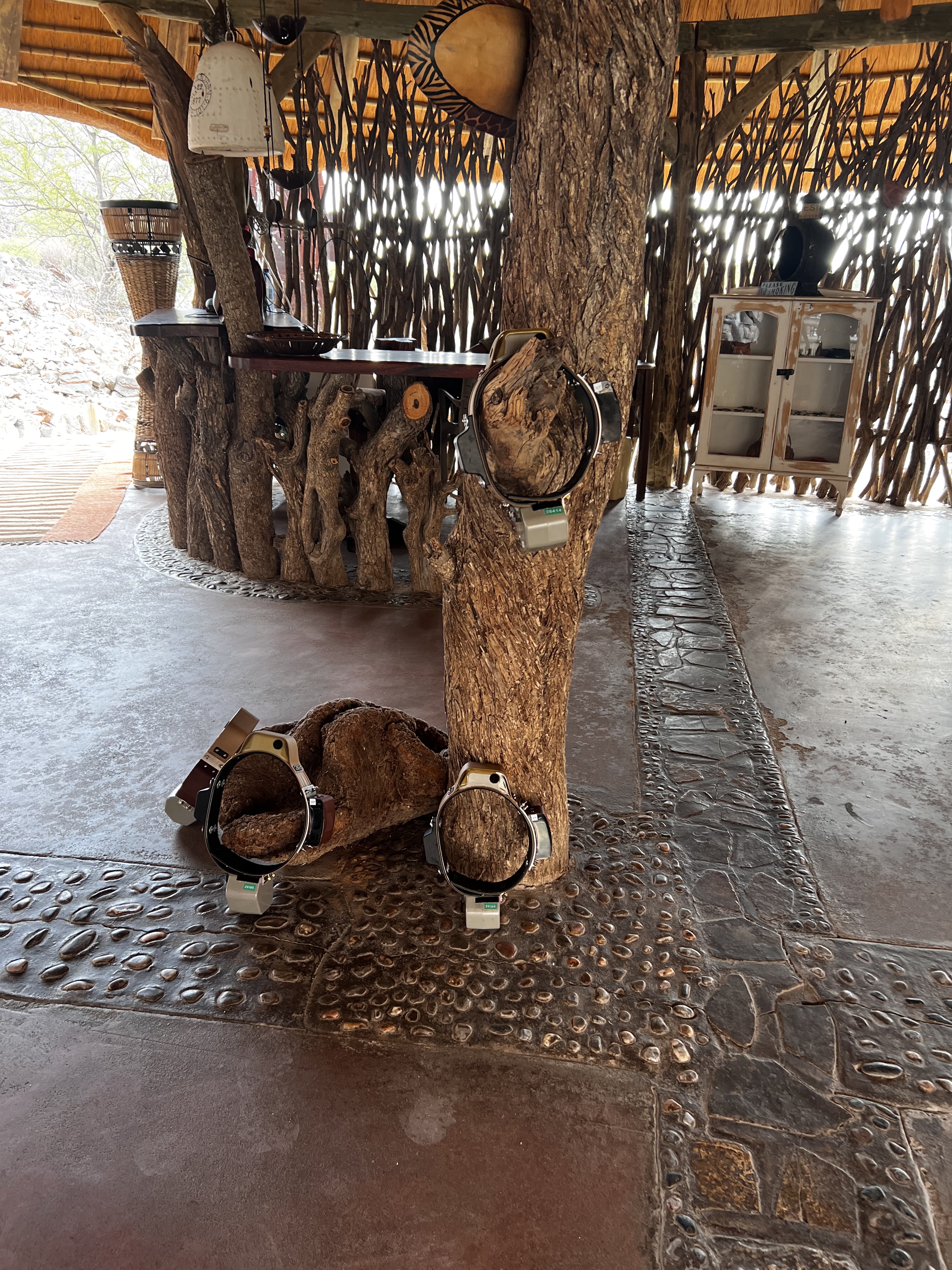
Multi-sensor collars for whole-group biologging
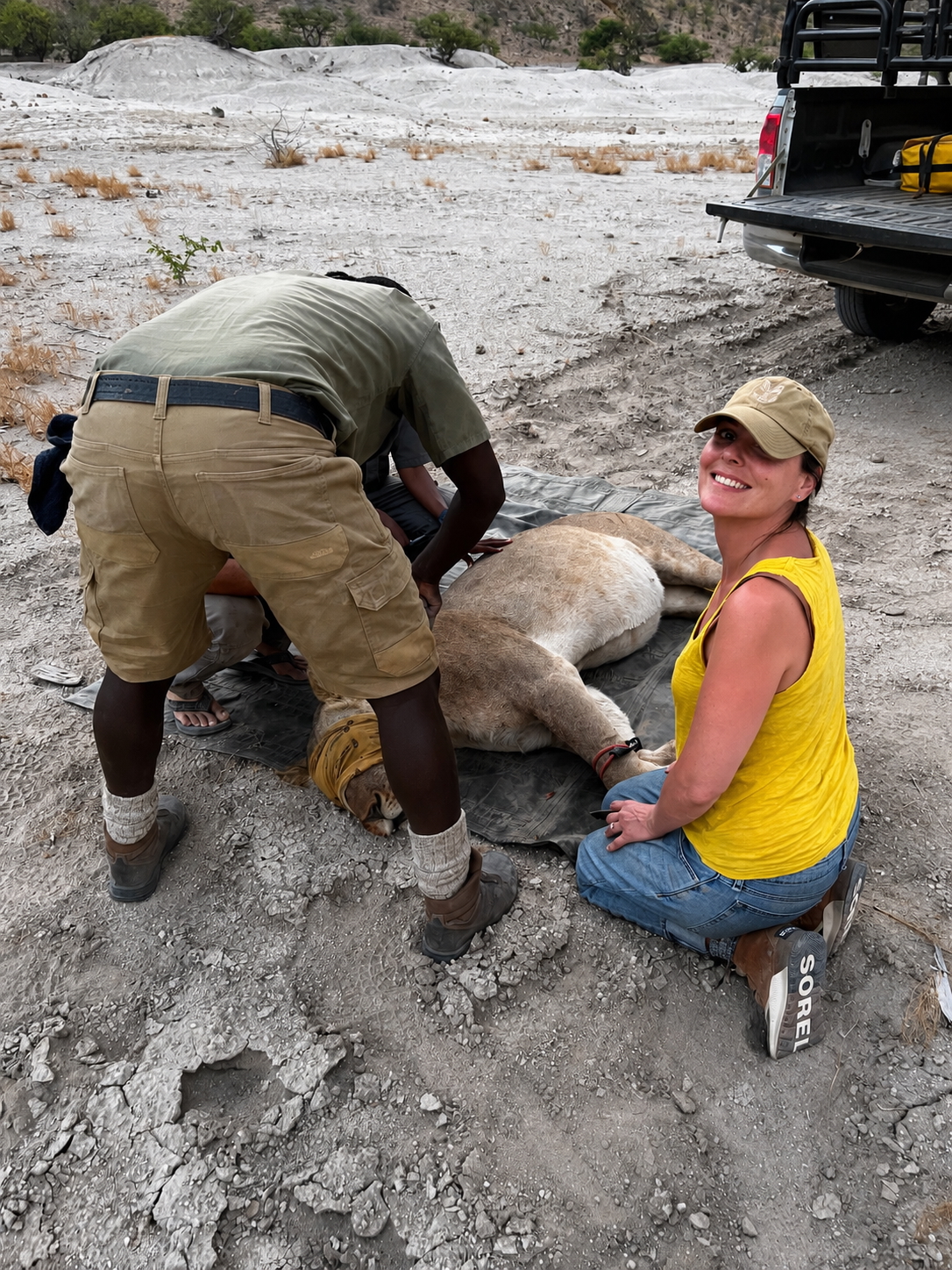
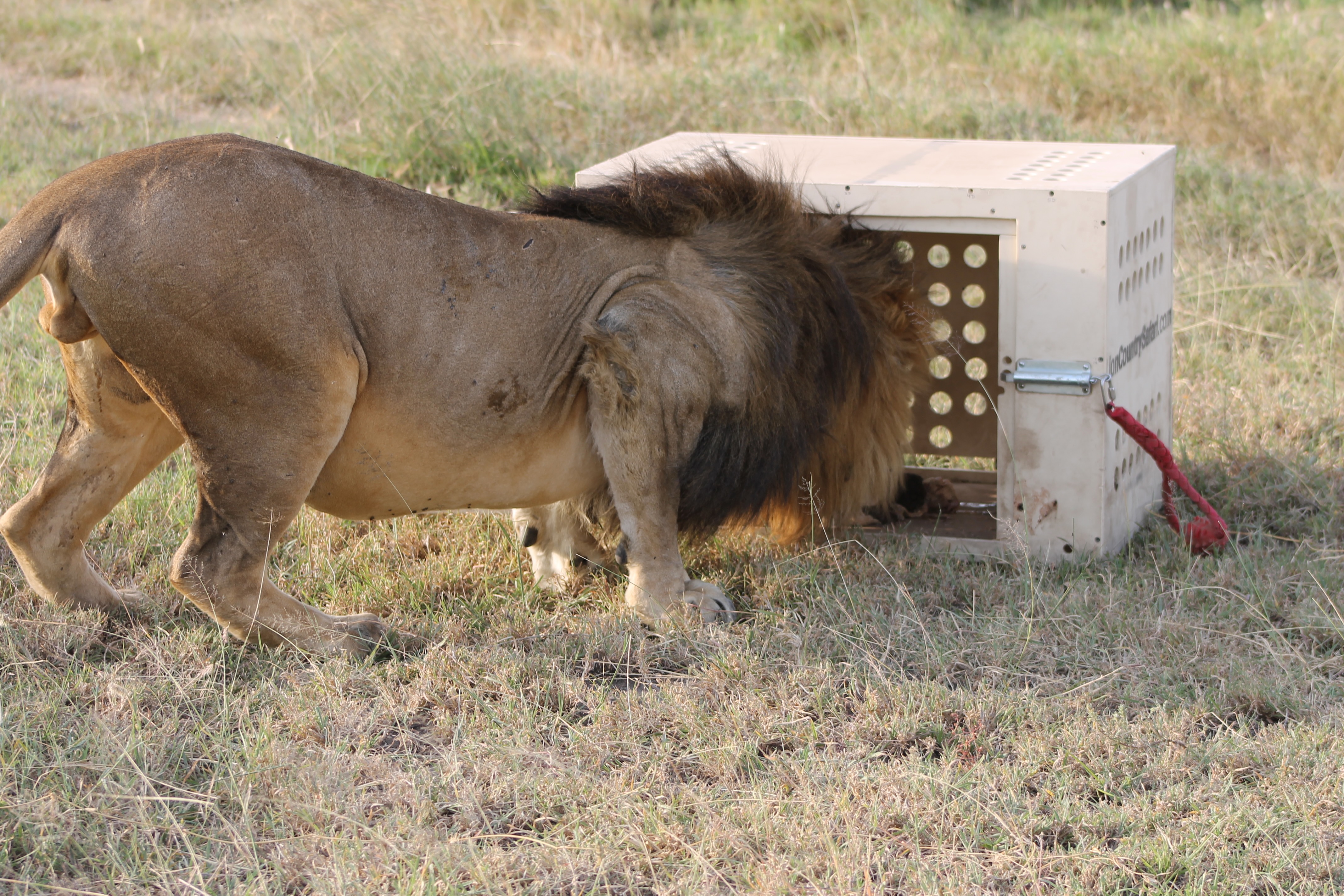
Biologging deployments during permitted lion capture
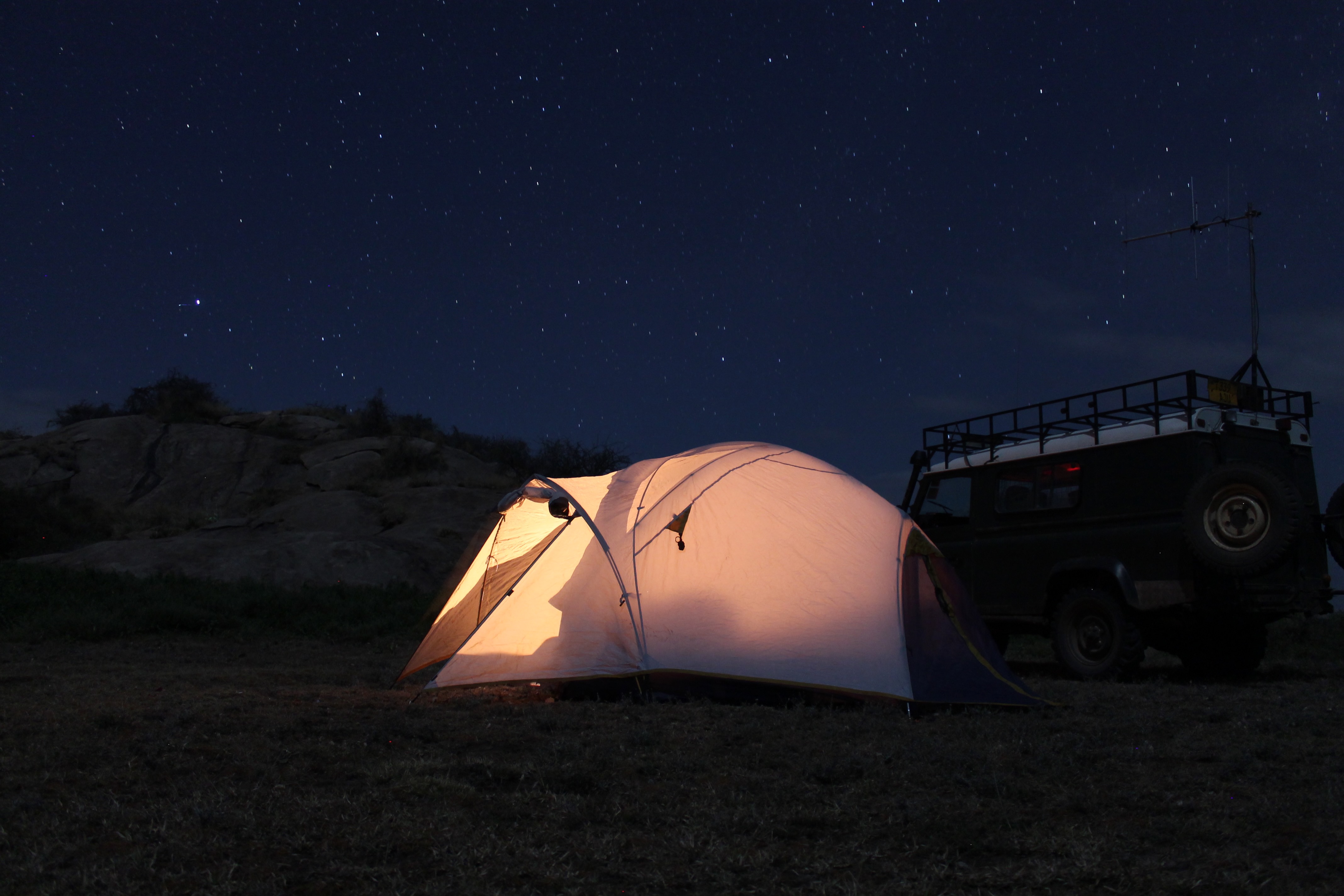
Tracking lions in the Kalahari
Fieldwork across remote study systems

Field ecology & sensing

Recovering behavior that is difficult to see.

Whole-group biologging allows social interactions to be reconstructed across space and time, while direct observation and tracking provide the behavioral and ecological ground truth needed to interpret sensor data.

Direct observationIndigenous tracking GPS biologgingAccelerometry & magnetometry BioacousticsBehavioral reconstruction

Experimental & ex-situ research

Testing behavioral mechanisms under controlled conditions.

Controlled studies complement my field research by allowing me to isolate the cognitive and social processes that can produce patterns observed in the wild. My experimental work has examined innovation, learning and memory, cooperative problem solving, social tolerance, and behavioral flexibility in large carnivores.

I have conducted non-invasive behavioral research with captive lions and other carnivores through collaborations with sanctuaries and rehabilitation facilities in South Africa and AZA-accredited zoological institutions across the United States. These settings provide repeated access to known individuals and controlled social contexts, making it possible to test hypotheses that cannot be manipulated experimentally in free-ranging populations.

CognitionInnovationLearning & memory Cooperative problem solvingSocial tolerance Behavioral flexibility
Lion interacting with a puzzle-box during a cognition experiment
Experimental problem solving: a lion investigates a puzzle-box task.
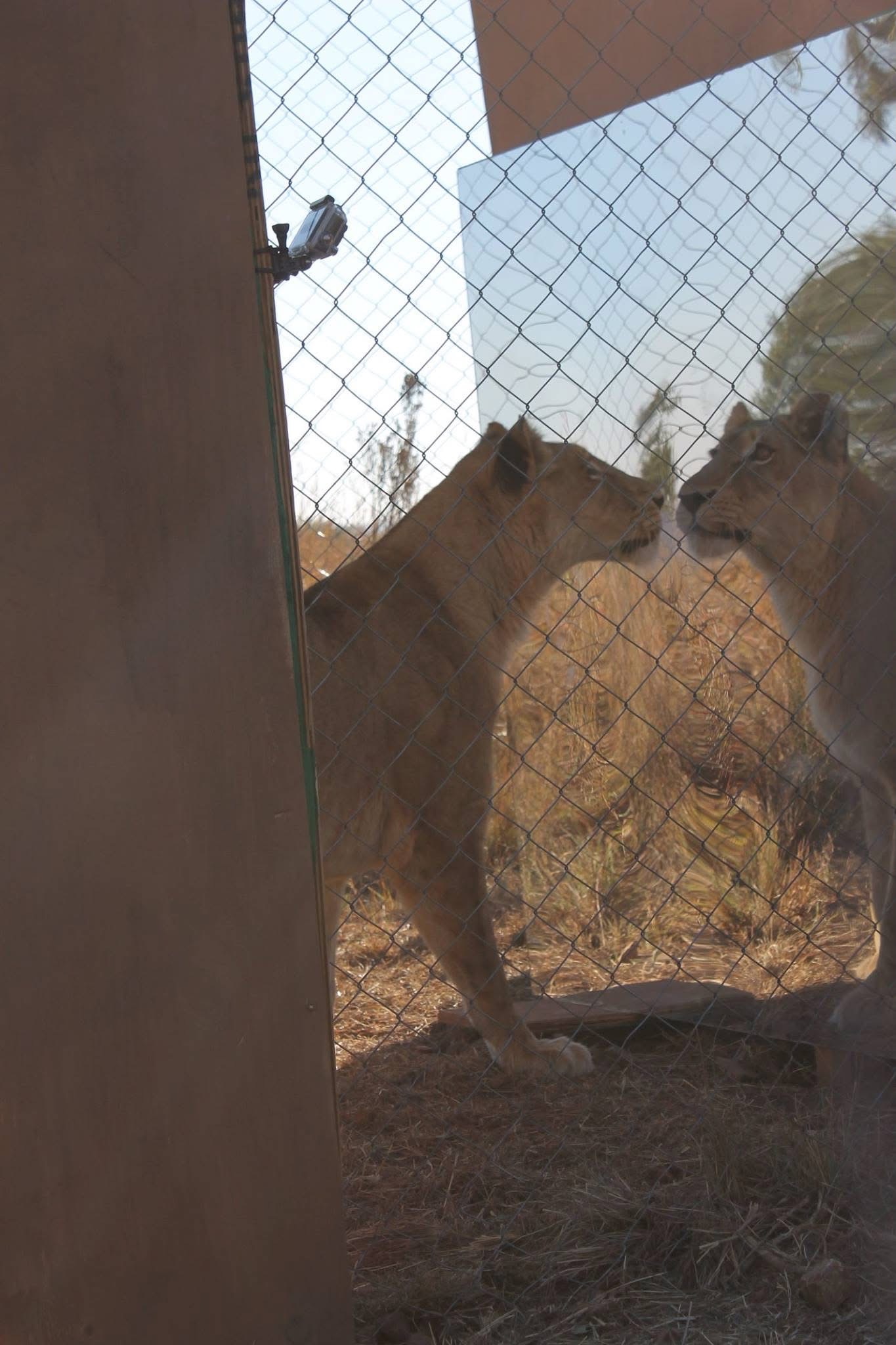
Lions participating in a mirror-based behavioral experiment
Controlled behavioral experiments allow responses to specific stimuli to be tested directly.
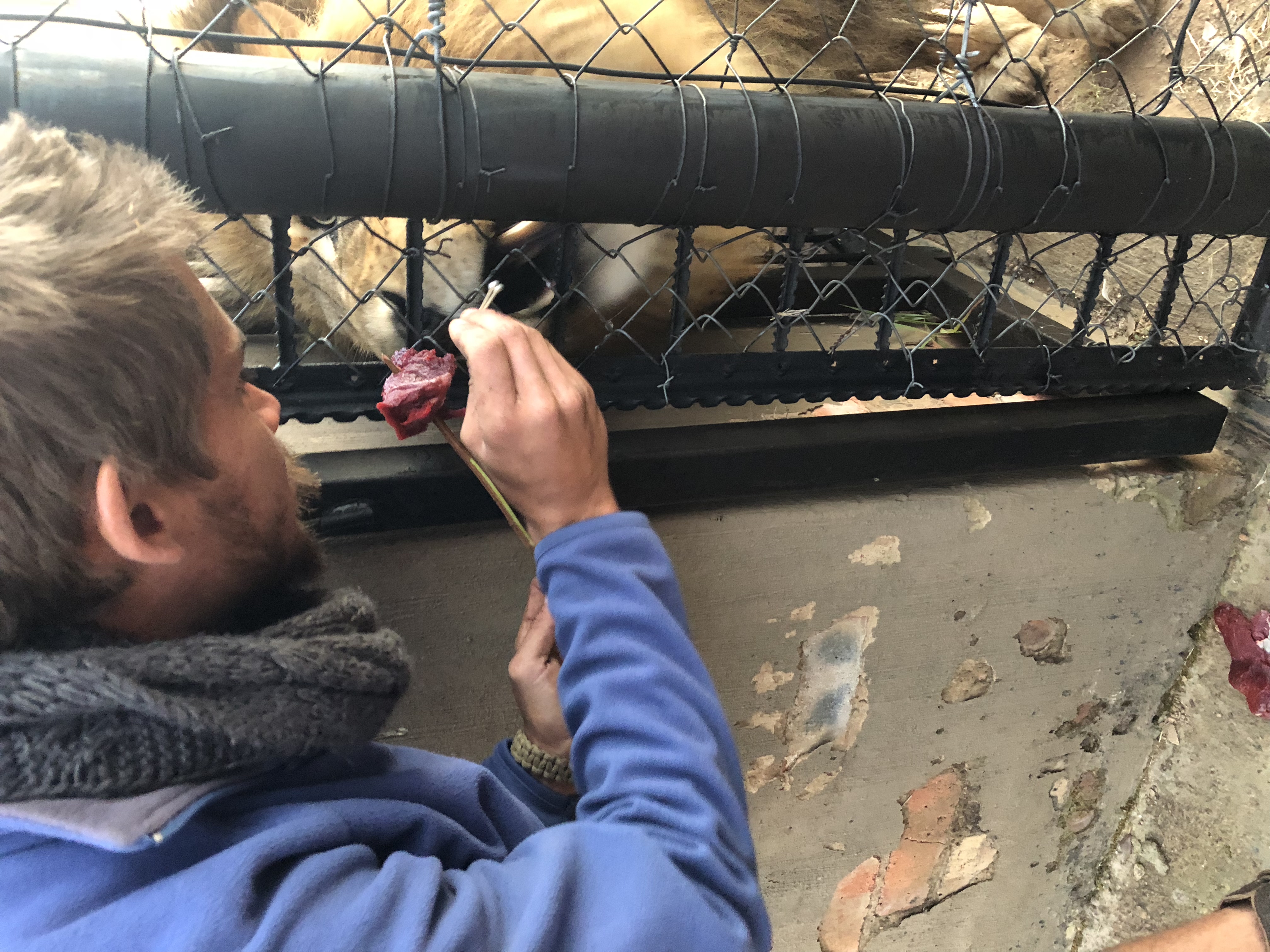
Collecting a non-invasive saliva sample from a captive lion
Non-invasive sampling can link behavioral responses with physiological measures.
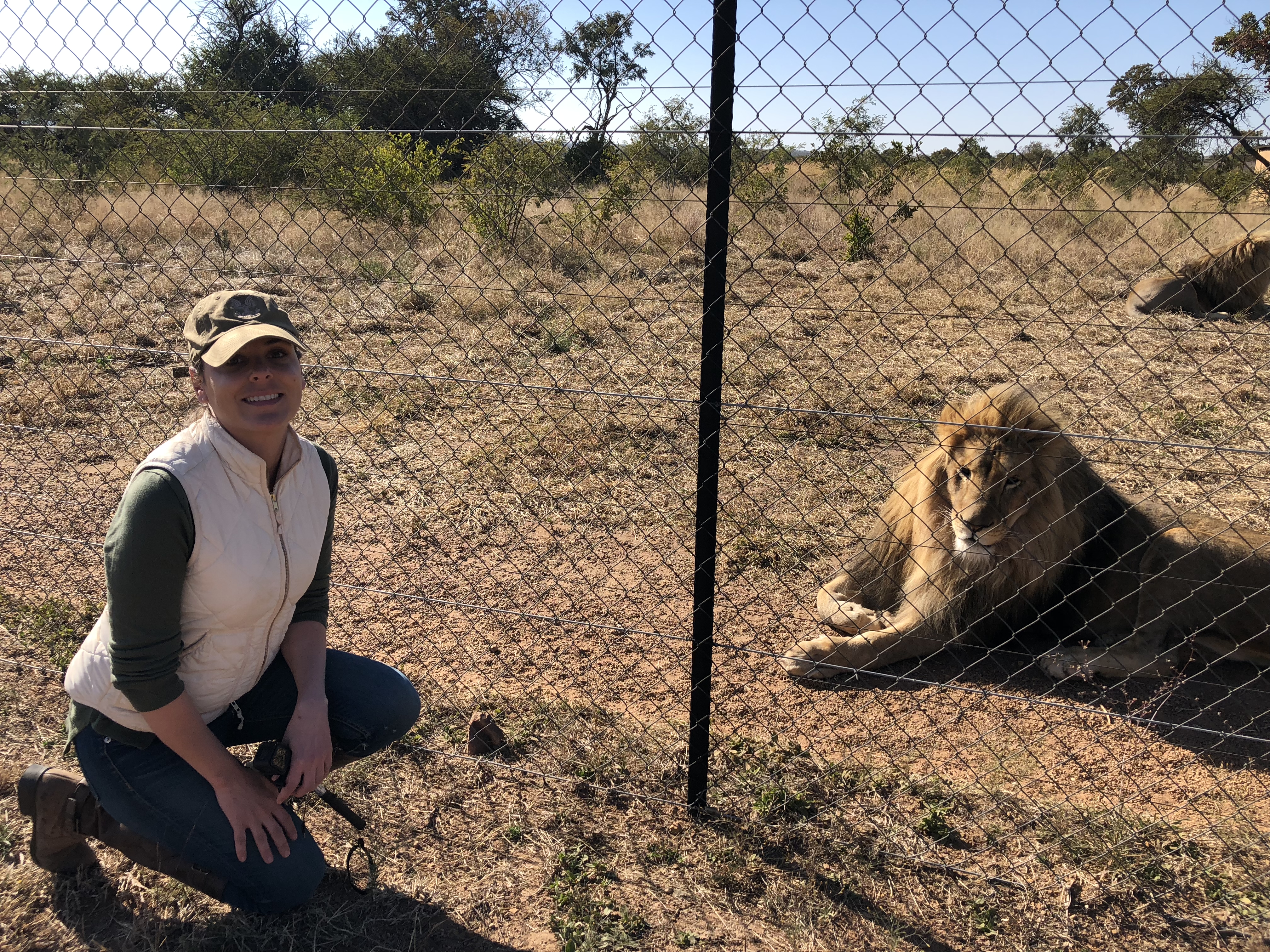
Natalia Borrego conducting research with captive lions
Long-term ex-situ collaborations provide repeated access to known individuals.